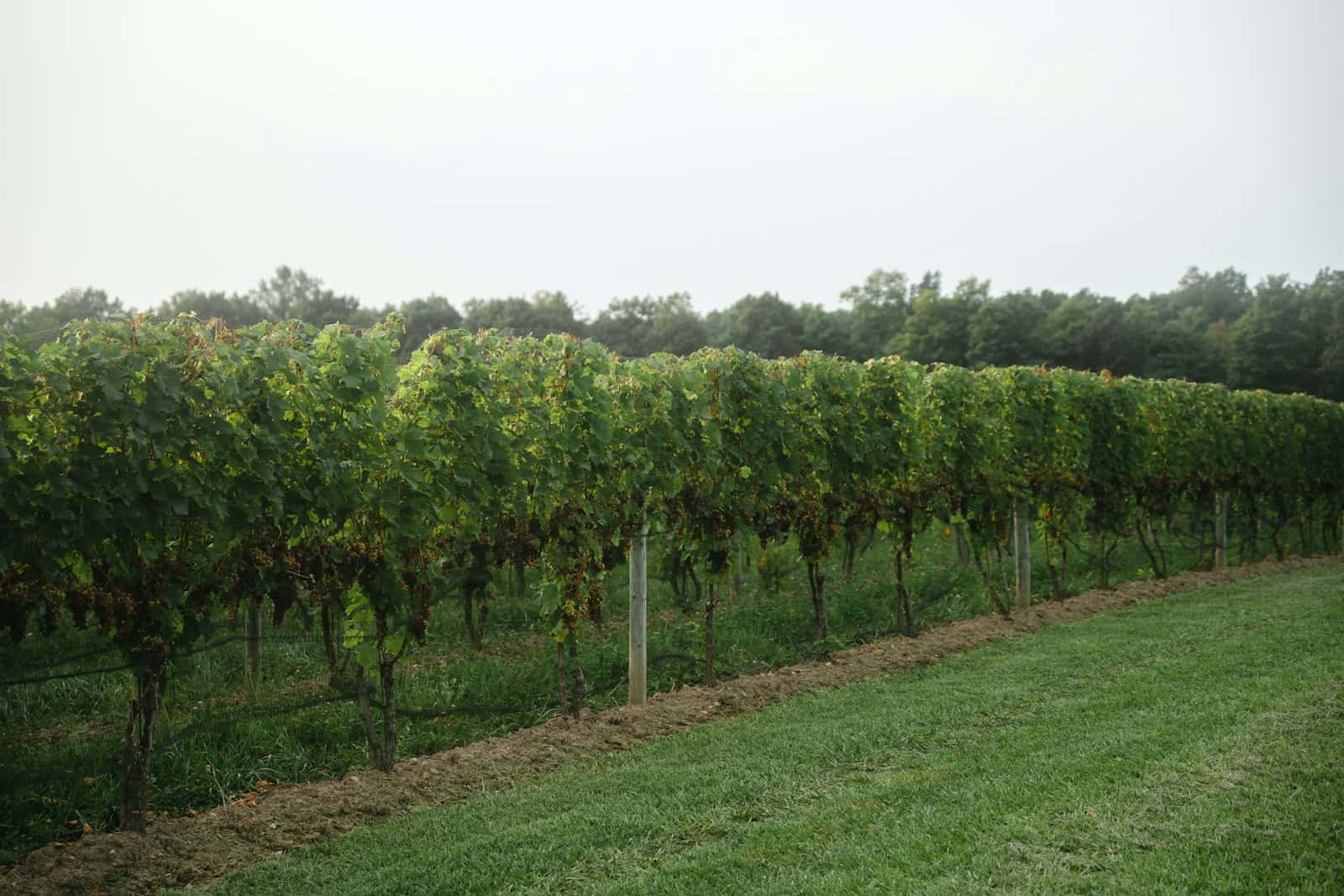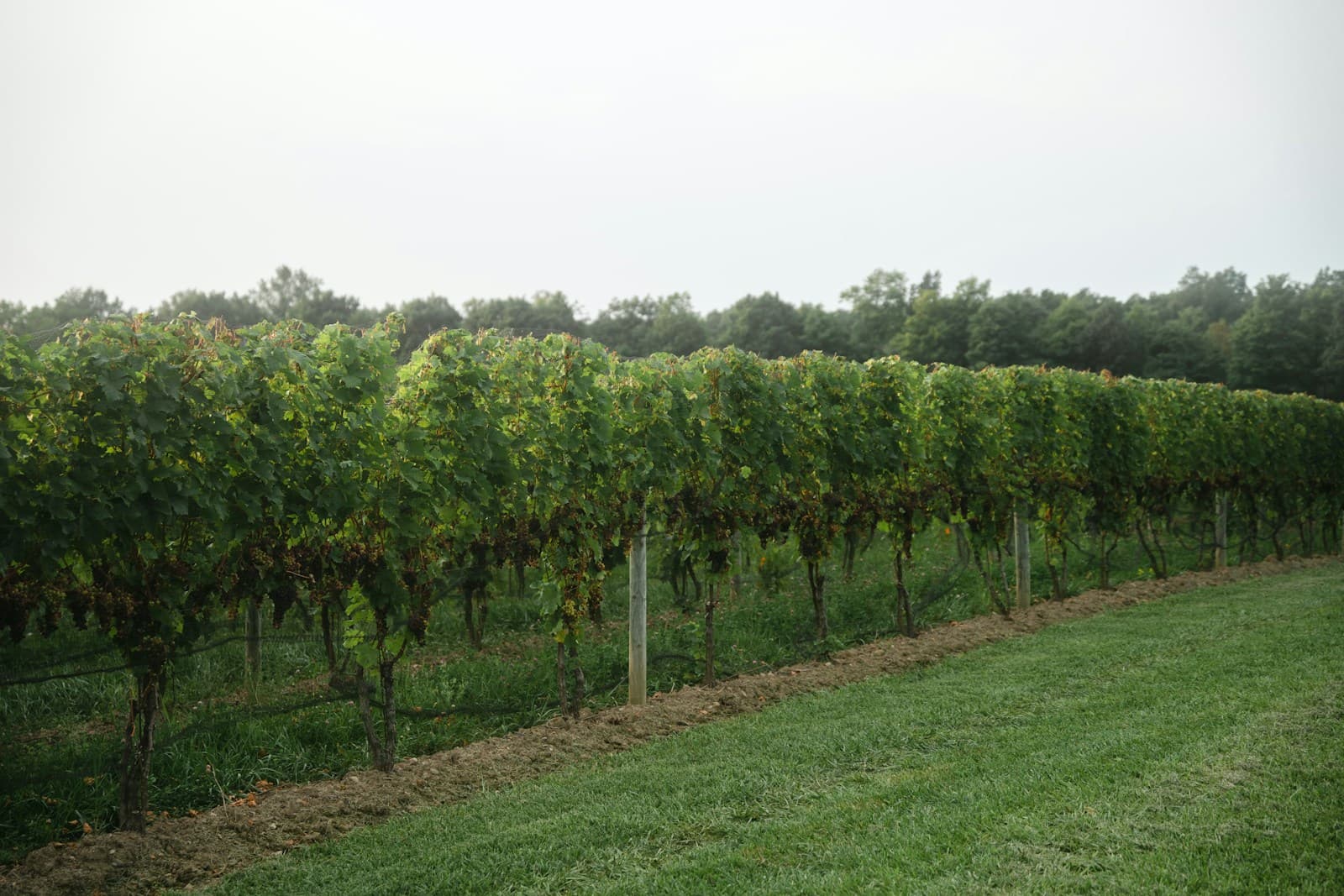
AT A GLANCE
A winery club is usually built around a producer’s wines and relationship with its members. A multi-producer subscription can introduce different estates, regions, or approaches. Neither model guarantees better wine. The decision is whether you want to follow one producer closely or delegate a broader exploration.
Choose depth or breadth first
A winery club is usually built around a producer’s wines and relationship with its members. A multi-producer subscription can introduce different estates, regions, or approaches. Neither model guarantees better wine. The decision is whether you want to follow one producer closely or delegate a broader exploration.
A single producer may make several styles; a multi-producer selector may focus narrowly on one region. Read the actual selection boundaries rather than treating these labels as promises of variety.
Separate the bottles from the relationship
Winery benefits may include visits or member events. Mercer, for example, lists tasting and event benefits alongside its wine releases. Those benefits can matter to someone who visits, but they may add little practical value to a distant subscriber. Verify reservations, guest limits, dates, and exclusions before valuing them.
For a multi-producer program, ask what connects the wines and who explains them. A changing list of producers is not automatically a coherent experience. Look for sample notes, a clear selection rationale, and an honest description of any tasting guidance.
Read the commitment before the benefits
Compare minimum shipments, billing timing, cancellation rules, and what happens when a selection does not suit you. Mercer’s published club terms illustrate that a minimum shipment commitment can accompany benefits. Terms differ by provider and may change; read the current agreement for the exact club you are considering.
If the main attraction is access to a specific bottle, establish whether it is guaranteed, allocated, or simply sometimes offered. Membership language alone does not establish availability. Do not subscribe on the assumption that every advertised special release will be yours.
Make a two-column choice
In the winery column, write the producer you want to follow, the wines you already know, and the benefits you can realistically use. In the multi-producer column, write the breadth you want and the guidance needed to make unfamiliar selections meaningful. If either column depends on unknown promises, seek details before paying.
Society Selections should be assessed as a planned guided collection, not as a winery allocation or estate-access membership. Its producer lineup is unconfirmed. It cannot currently promise access to a particular estate, rare bottle, winery visit, or member event through the collection.
Make the comparison practical
Use the companion worksheet to record your own requirements before committing to a recurring purchase.
Where Society Selections fits
Society Selections is in development at a planned $295 per quarter for four wines, online tasting guidance with a recording, tasting notes, producer stories, and pairings. It is not accepting purchases. Final wines, host, licensed seller, delivery eligibility, shipping, taxes, and subscription terms must be confirmed before enrollment.
The free founding list is an invitation to review confirmed launch details later. It takes no payment, reserves no wine, and starts no subscription. Compare the final offer against your needs before deciding; the planned collection is not a promise of custom bottle choices or a particular wine style.
Further reading
Sources support the specific references in this guide. Planning recommendations are the Society’s editorial perspective.
Society Selections is in development. Wines, host, licensed seller, delivery availability, shipping charges, taxes, and subscription terms will be confirmed before purchase. Our editorial approach.